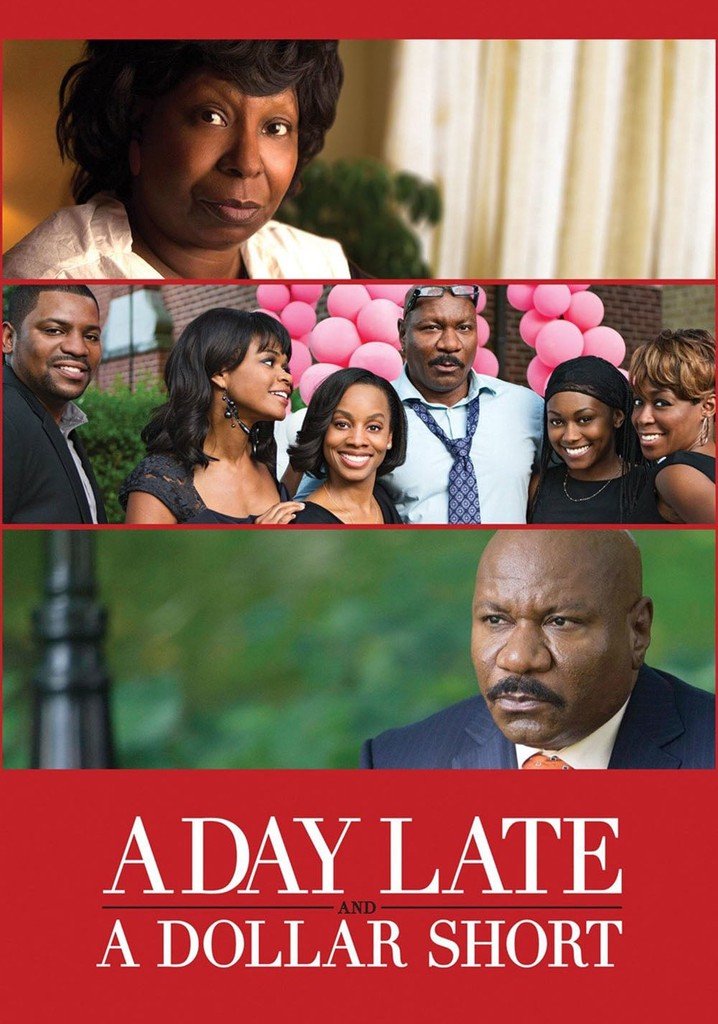
In the rich tapestry of family dramas, few stories resonate as deeply as that of a matriarch fighting against time to mend her fractured family. A Day Late and a Dollar Short, the Lifetime Original Movie based on Terry McMillan's beloved New York Times bestseller, delivers exactly that: an unflinching yet ultimately uplifting look at love, loss, and the messy business of being family. Headlined by Academy Award® and Golden Globe® winner Whoopi Goldberg and Golden Globe winner Ving Rhames, this film dives into the heart of the Price family, guided by a mother determined to leave a lasting legacy of togetherness.
Viola Price, portrayed with formidable presence by Whoopi Goldberg, isn't your average movie mom. She's irascible, opinionated, and when she learns her next severe asthma attack could be her last, she makes a firm decision: her family will not fall apart on her watch. This isn't a gentle request; it's a mission, even if it means meddling in lives she's perhaps been too distant from for too long.
A Mother's Desperate Quest: Unpacking the Story of Viola Price
The heart of A Day Late and a Dollar Short beats with Viola's frantic, heartfelt endeavor to fix everything she sees wrong. From her estranged husband to her four adult children and even her grandchildren, no one is safe from her determined efforts. She grapples with a shocking array of challenges: sibling rivalry, teen pregnancy, drug addiction, a son in jail who needs to learn fatherhood, and a granddaughter facing undisclosed troubles. It's a whirlwind of personal crises, all unfolding under Viola's watchful, often critical, eye.
Understanding Viola's journey and the specific predicaments each Price family member faces is key to appreciating the film's emotional depth. To delve into every twist and turn of her quest and see how she attempts to bend her loved ones to her will, we recommend you explore A Day Late and a.
The Stellar Ensemble Bringing the Price Family to Life
A story this powerful demands a cast capable of carrying its weight, and A Day Late and a Dollar Short delivers. Whoopi Goldberg masterfully embodies Viola Price, bringing both her sharp wit and deep vulnerability to the forefront. Alongside her, Ving Rhames grounds the narrative as her estranged husband, creating a complex dynamic between two people with a long, intertwined history. The supporting cast shines just as brightly, featuring Mekhi Phifer, Kimberly Elise, Anika Noni Rose, and Tichina Arnold as the children and other pivotal characters.
The authenticity and raw emotion these actors bring to their roles elevate the film, making the Price family's struggles feel intensely real. Beyond the screen, the creative minds behind the camera, including director Stephen Tolkin and executive producers Whoopi Goldberg, Tom Leonardis, Jeffrey Hayes, and Bill Haber, ensured that Terry McMillan's vision was translated with care and impact. For a complete rundown of the brilliant talent involved, check out Cast, Characters & Director: A.
Beyond the Surface: Exploring the Heartfelt Themes
At its core, A Day Late and a Dollar Short is more than just a family drama; it’s a profound exploration of human connection, forgiveness, and the enduring power of unconditional love. The film navigates heavy themes with sensitivity, portraying the ripple effects of addiction, the pain of strained relationships, and the difficult choices parents and children make. It highlights the often-unseen struggles within families and the extraordinary lengths a mother will go to ensure her legacy is one of unity, not discord.
The film reminds us that family isn't always perfect, but it's always worth fighting for. It asks questions about responsibility, acceptance, and what it truly means to heal. If you're interested in a deeper dive into these complex issues and the messages woven throughout Viola's story, then you'll find profound insights by reading Themes & Meaning in A.
From Bestseller to Screen: The Adaptation Journey
The foundation of A Day Late and a Dollar Short is Terry McMillan's acclaimed novel, a book cherished by countless readers for its raw honesty and relatable characters. Adapting such a beloved work for the screen is always a delicate balance, requiring careful crafting to maintain the spirit of the original while translating it into a visual medium. Shernold Edwards, who penned the script, faced the task of bringing McMillan's rich narrative and vibrant personalities to life, ensuring the film resonated with both existing fans and new audiences.
The transition from page to screen offers a unique opportunity to compare and contrast the artistic choices made. Did the film capture the essence of the book? How did the visual storytelling enhance or diverge from the reader's imagination? For an in-depth analysis of how the novel was brought to the screen, explore Book vs. Movie: A Day.
What Viewers Thought: The Impact and Reception
As a Lifetime Original Movie, A Day Late and a Dollar Short entered a landscape known for powerful, emotionally charged storytelling. The film aimed to connect with viewers on a deeply personal level, touching on universal experiences of family dynamics and the desire for connection. Its compelling narrative and strong performances undoubtedly sparked conversations among audiences, prompting discussions about their own families and the challenges they face.
The reception of such a heartfelt film often speaks volumes about its ability to resonate. Curious about what critics and everyday viewers had to say about Viola's story and the powerful performances? You can uncover a spectrum of opinions and reactions by clicking through to See critical and audience reviews.
Ultimately, A Day Late and a Dollar Short the Movie stands as a testament to the indomitable spirit of a matriarch and the complex, often chaotic, beauty of family. It reminds us that even when we feel 'a day late and a dollar short' in life, the love and bonds we share are priceless, always worth fighting for, and forever shaping who we are. Viola Price's story continues to inspire audiences to look at their own families with new eyes, urging us to cherish the present and strive for connection before it’s too late.